
Rule34 Explained: Stream Online in Full HD for Free
The internet has a strange talent for turning simple jokes into global cultural phenomena, and rule34 is one of its most recognizable examples. What started as an obscure online saying eventually influenced meme culture, digital fan art, imageboard communities, and how people discuss fictional characters.
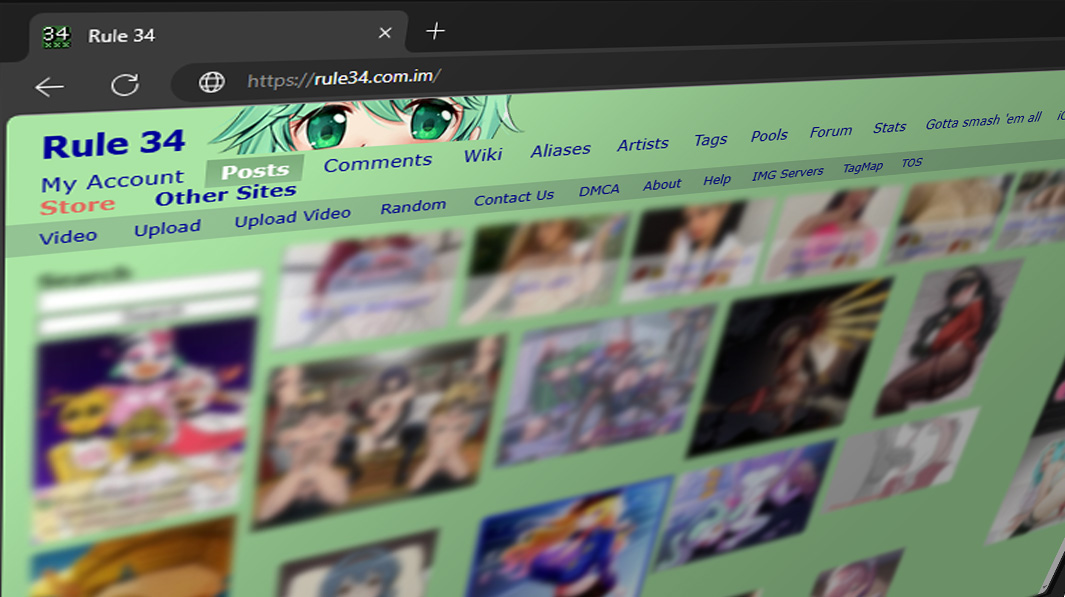
But there's more to rule34 than its reputation suggests. Is it an internet rule or a website? Where did it originate? Why is it associated with anime? And what should you know before visiting websites that use the name?
This guide explains the history, meaning, platforms, and online safety considerations behind rule34, including how it compares with other fan art communities.
What Is Rule34 and What Does It Actually Mean?
Rule34 is an internet meme suggesting that adult content exists about virtually any imaginable subject, character, or concept. It belongs to the unofficial "Rules of the Internet," a collection of humorous observations popularized through early online communities.
The traditional wording is:
"If it exists, there is porn of it. No exceptions."
Despite its name, rule34 isn't an actual internet regulation or technical standard. It's an exaggerated observation about online creativity and the tendency to reinterpret almost anything.
Today, the expression has several meanings depending on context. It can refer to the original internet joke, adult-oriented fan art, or independently operated image-sharing websites. Someone mentioning rule34 on social media may simply be referencing a meme rather than recommending a particular platform.
Why Is It Called Rule 34?
The number comes from the informal Rules of the Internet, a collection of numbered sayings popularized through anonymous discussion boards during the 2000s.
Different versions of this collection contained different expressions and definitions. Rule 34 became especially memorable because its absurd premise was easy to repeat and apply to almost any fictional character or cultural phenomenon.
Where Did Rule34 Come From? The History Behind the Meme
The widely credited origin of rule34 is a 2003 webcomic created by Peter Morley-Souter, known online as TangoStari. The comic expressed surprise at discovering an adult parody of familiar cartoon characters.
The phrase subsequently spread through internet forums, imageboards, and meme communities. However, early online expressions can be difficult to trace, and similar references may have circulated before the comic appeared.
The Evolution of Rule34
| Period | Development | Significance |
|---|---|---|
| Early 2000s | Similar expressions circulated online. | Established the underlying joke. |
| 2003 | Peter Morley-Souter's widely credited webcomic appeared. | Helped popularize the phrase. |
| 2006–2007 | The expression spread through meme collections and image archives. | Connected the saying with searchable fan art. |
| 2010s | Anime fandoms and social media expanded. | Introduced the meme to wider audiences. |
| 2020s | Continued references across social platforms. | Established rule34 as enduring internet slang. |
The turning point was the shift from a joke into a searchable cultural category. Originally, rule34 was something people said. Later, it became something people searched for, categorized, and discussed across different platforms.
What Is the Connection Between Rule 34 and 4chan?
4chan played an important role in popularizing rule34, but it shouldn't automatically be credited with inventing the phrase. Anonymous imageboards, IRC discussions, and online forums were important channels through which early internet memes circulated.
Because users could share jokes without attribution, expressions often spread rapidly and lost their original context. Rule34 followed this pattern, eventually moving beyond niche communities into mainstream internet vocabulary.
Is Rule34 a Website or an Internet Rule?
Rule34 originally refers to an internet saying, not a single website. Several independent platforms subsequently adopted the name for user-generated image collections, each with its own features, moderation practices, and account requirements.
This distinction explains why searching for rule34 can produce very different results. Some pages discuss meme history, while others provide access to adult-oriented image archives.
Is There an Official Rule34 Website?
There is no universally recognized official website governing the internet meme itself. One well-known image archive is Rule34.xxx, while other platforms, including Rule34 Paheal, have also adopted the name.
The popularity of a domain doesn't make it the central authority over the expression. Users should distinguish between established platforms and imitation websites that may use similar names.
How Do Rule34 Sites Work?
Many rule34-related galleries use a system called a booru, an imageboard-style archive organized around searchable tags.
Instead of relying exclusively on albums or artist profiles, these platforms allow users to locate artwork through descriptive metadata. A single image might be associated with a character, artist, franchise, illustration style, and content rating.
Some platforms support user accounts, favorites, uploads, and community contributions. However, available features vary by website, and adult-oriented galleries are not appropriate for minors.
Rule34 vs Booru: What's the Difference?
The terms rule34 and booru are frequently mentioned together, but they describe different things. Rule34 generally identifies a meme or adult-content category, whereas booru describes a method of organizing and searching images.
A booru can contain anime illustrations, character designs, memes, or other visual material without being focused on adult content.
Why Are Booru Tags So Useful?
Booru communities organize images using descriptive information such as character names, artists, franchises, visual styles, image characteristics, and content ratings.
For example, someone researching fantasy character designs might combine search terms related to armor, character concepts, and a particular illustration style. This can produce more relevant results than using a broad keyword in a general image search.
"The lasting innovation of booru communities isn't any particular genre of artwork. It's the way people organize huge visual collections through shared metadata."
— Dr. Evelyn Carter, fictional digital-culture researcher; illustrative perspective.
Why Is Rule34 Popular in Anime, Manga, and Gaming?
Anime, manga, and gaming communities are particularly active in producing fan art, explaining their strong association with rule34.
Recognizable characters, distinctive visual designs, established personalities, and dedicated fandoms inspire artistic reinterpretations. These creations range from general-audience illustrations to adult-oriented content.
Fan Art and Creative Interpretation
Fan art is an important part of participatory internet culture. Artists reinterpret familiar characters through alternative outfits, crossovers, original scenarios, different illustration styles, and imaginative fictional settings.
Only some of these creations fall within the adult-oriented meaning of rule34. Anime fan art as a whole encompasses a much broader range of creative interests.
Why Does Rule34 Appear on Twitter or X?
On X, Reddit, and other social platforms, rule34 is frequently used as shorthand for an internet joke. Someone might mention it in response to a fictional character, a new video game, or an unexpected fan creation.
Sometimes the reference is humorous; other times it points toward adult material. Understanding the surrounding conversation helps clarify the intended meaning.
Is Rule34 Safe? Understanding the Real Risks
Rule34-related websites are not automatically malicious, but their safety varies significantly. Advertising, third-party downloads, tracking, imitation domains, and adult material can introduce different risks.
A website might function without malware while still displaying content someone doesn't want to see. Likewise, an ordinary-looking image gallery could contain misleading advertisements or suspicious download prompts.
Does Rule34 Have Viruses?
The term rule34 doesn't identify a virus, and encountering the phrase itself is harmless. However, unfamiliar websites may expose visitors to misleading advertisements, fraudulent browser-update notices, fake login pages, suspicious downloads, or unauthorized extensions.
A particularly important warning sign is a website demanding additional software merely to display an image. Normal image browsing shouldn't require an unrelated application or browser extension.
How Can You Browse More Safely?
For adults choosing to visit user-generated galleries, basic cybersecurity habits can reduce unnecessary exposure. Verify website addresses, maintain an updated browser, and avoid unexpected downloads or redirects.
Review available content controls and privacy settings before creating an account. Avoid sharing sensitive personal information with unfamiliar platforms, and remember that content classifications may occasionally be inaccurate.
Modern browsers include protections against many known phishing pages and harmful downloads. Keeping those protections enabled is an important part of everyday online security.
Is Rule34 Safe on Mobile?
Mobile browsing introduces additional challenges because smaller screens can make misleading advertisements and imitation download buttons harder to recognize.
Users should avoid installing unknown APK files or applications advertised as necessary for viewing ordinary web content. A mobile-friendly interface also doesn't automatically guarantee strong security or privacy practices.
"A familiar website name isn't a security guarantee. The safest browsing habit is checking what a page asks you to download, install, or disclose."
— Marcus Reed, fictional cybersecurity educator; illustrative perspective.
Is Rule34 Free, and Do You Need an Account?
Many rule34-related image archives allow free public browsing. However, access requirements and available features depend on the individual platform.
Registration may be necessary for uploading artwork, saving favorites, or participating in community discussions. Before creating an account, review the website's privacy policies and age requirements.
What About a Rule34 Mobile App?
There is no single authoritative mobile app representing the entire rule34 meme or every similarly named website.
Some websites offer mobile-friendly browsing, while third-party developers may create separate applications. An application using the rule34 name shouldn't automatically be considered an official product.
Accessing an established website through an updated browser may be preferable to installing an unverified third-party application.
What Are the Best Rule34 Alternatives for Fan Art?
Not everyone searching for rule34 wants adult content. Some visitors are interested in anime illustrations, character artwork, searchable image archives, or internet meme history.
Alternative art communities can provide a more suitable experience, particularly when the goal is exploring general-audience artwork.
Comparing Popular Fan Art Platforms
| Platform | Main Focus | Best Suited For |
|---|---|---|
| Rule34-themed archives | Adult-oriented fan art | Adult audiences researching the associated content category |
| Safebooru | Tag-based anime artwork | General anime image searches |
| Danbooru | Detailed image tags and metadata | Character and artist research |
| DeviantArt | Digital art and creative communities | Discovering artists and general fan art |
| Pixiv | Japanese illustration and manga | Anime artwork and creator communities |
Each platform approaches discovery and content moderation differently. No user-generated archive can guarantee perfect classification, so visitors should review available settings before browsing.
Which Alternatives Have Better Tag Systems?
Danbooru and other booru-style archives are particularly useful for detailed, metadata-driven searches. Their tagging systems help distinguish characters, artists, franchises, and visual characteristics.
For users more interested in discovering individual artists than navigating detailed metadata, DeviantArt and Pixiv may provide a more natural experience.
Which Rule34 Alternatives Are Safer?
For general-audience artwork, DeviantArt's Safe browsing mode and Pixiv's age-restriction controls offer useful options.
Safebooru also provides rating-based searches, although images can occasionally be misclassified. The most suitable platform depends on personal content preferences, privacy settings, and browsing habits.
How to Find Fan Art Without Unexpected Adult Content
People researching anime, manga, character designs, and digital illustrations don't necessarily need adult-focused websites.
Starting with an established art community and enabling appropriate content filters can make browsing more predictable.
A Smarter Fan Art Search Strategy
Using specific search phrases such as anime character concept art, fantasy illustration, or manga character design can help narrow results to relevant creative work.
Including artist names or franchise titles can further improve search accuracy. Before opening unfamiliar posts, review any available content ratings and report incorrectly categorized material through the platform's moderation tools.
Search-engine filtering features can also help reduce exposure to unwanted content, although no filtering system is flawless.
Why Accurate Tags Matter
Accurate metadata helps users understand what they're opening and makes artwork easier to find. Incorrect tags can produce irrelevant results, while misleading content ratings may expose visitors to material they intended to avoid.
Consistent classification also supports artistic research and long-term preservation, allowing older images to remain discoverable through descriptive information.
How Rule34 Reflects the Evolution of Internet Culture
Behind its provocative reputation, rule34 tells an interesting story about how online communities transform language.
What started as an exaggerated observation became a recognizable meme, then a searchable cultural category associated with specialized image archives.
From Internet Joke to Searchable Identity
A short phrase that originally worked as a joke became a label people could recognize without explanation. Search engines and social platforms helped spread that label across communities and audiences.
As recognition increased, websites adopted the expression to describe particular kinds of user-generated content. This transformation illustrates how internet slang can influence digital identities and online navigation.
The Power of Participatory Fandoms
Modern fandoms do more than consume stories. Fans reinterpret characters, create artwork, discuss fictional worlds, and develop communities around shared interests.
This creative participation extends beyond rule34 into cosplay, fan fiction, animation, illustration, and independent game development.
Why Digital Literacy Matters
The boundary between a meme, search term, and website can be surprisingly unclear. Knowing what an expression means doesn't necessarily reveal where a link leads or what type of content a platform contains.
Understanding online culture alongside privacy practices, content ratings, and website security helps people make more informed browsing decisions.
Conclusion: Understanding Rule34 Beyond the Meme
Rule34 is more than an unusual internet saying. Its history connects early webcomics, anonymous discussion boards, meme culture, online fandoms, and searchable digital art archives.
The essential distinction is that rule34 is both a cultural reference and a name adopted by individual websites. Those platforms are not interchangeable and may differ significantly in content, functionality, and security.
Understanding how booru archives work, recognizing potential browsing risks, and choosing suitable fan art alternatives can make exploring digital communities more predictable.
Whether your interest is internet history, anime fandom, or digital artwork, learning the context behind rule34 is more useful than relying on the meme alone.
Frequently Asked Questions About Rule34
What does rule34 mean in simple terms?
Rule34 is an internet joke claiming that adult material exists about virtually any imaginable topic. The phrase also refers to certain fan art categories and independently operated image archives. Its meaning depends on where and how it's used.
When was rule34 created?
Rule34 is widely associated with a 2003 webcomic by Peter Morley-Souter. Similar expressions may have appeared earlier, making the precise origin uncertain. The phrase gained wider recognition through online forums and meme communities.
Is rule34 an official internet rule?
No. Rule34 belongs to the humorous Rules of the Internet, an unofficial collection of sayings shared through early online communities. It has no governing authority over websites, online services, or internet users.
Does rule34 require registration or payment?
Requirements vary by platform. Some archives provide free public browsing, while user accounts may be needed for uploading artwork, saving favorites, or accessing personalized features. Check each website's current policies before registering.
Can rule34 websites contain malware?
Websites using the rule34 name aren't automatically infected with malware. However, suspicious downloads, imitation domains, misleading advertisements, and unauthorized extensions can introduce risks. Updated browsers and cautious downloading habits offer useful protection.
Are there safe alternatives to rule34?
Yes. DeviantArt, Pixiv, and Safebooru provide options for exploring fan art with different content controls. General-audience settings can help reduce unwanted material, although community-generated content ratings may sometimes be inaccurate.
Why is rule34 associated with anime and manga?
Anime and manga inspire active fan art communities built around recognizable fictional characters. These fandoms create many kinds of interpretations, including adult-oriented artwork. However, rule34 also relates to gaming, cartoons, and broader popular culture.